A Micro Drama By: Steven Cantor
A Micro Drama By: Steven Cantor
We combine studio-grade storytelling with AI-native pipelines to create high-quality, vertical-first content at unprecedented speed and scale.
Format
Runtime
Generated
Shoot days
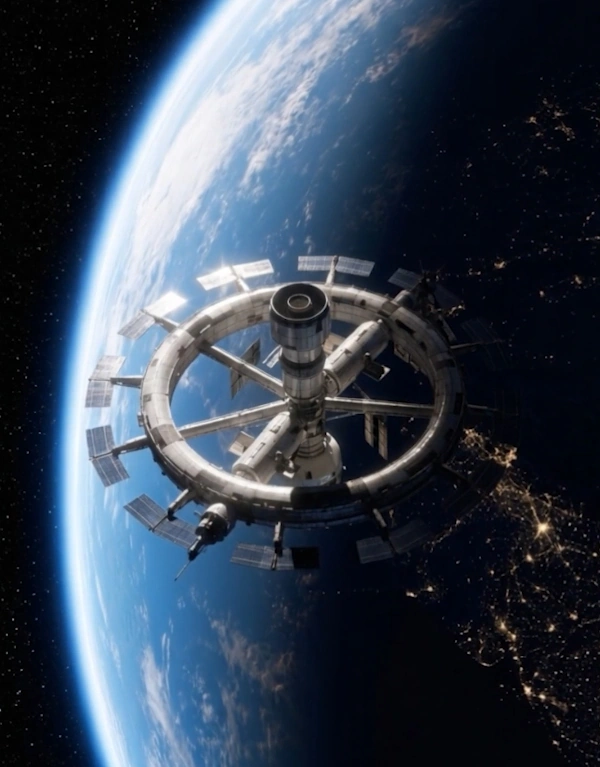
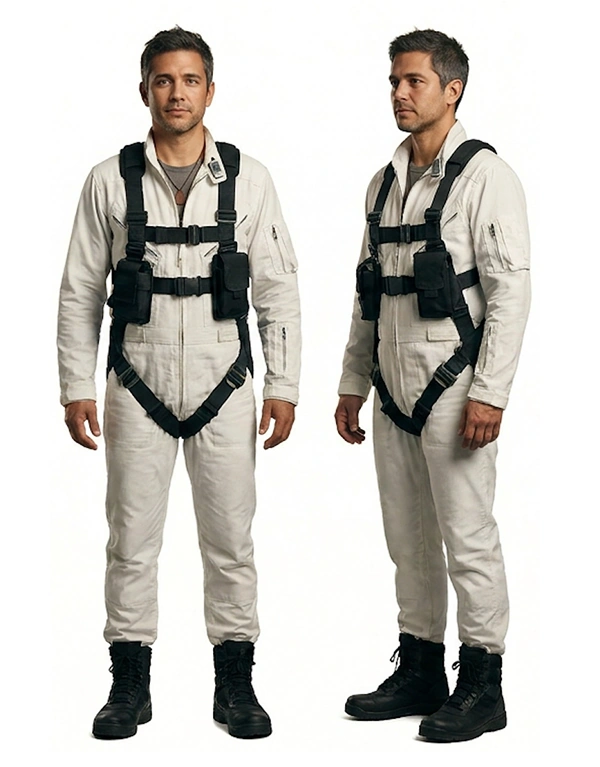
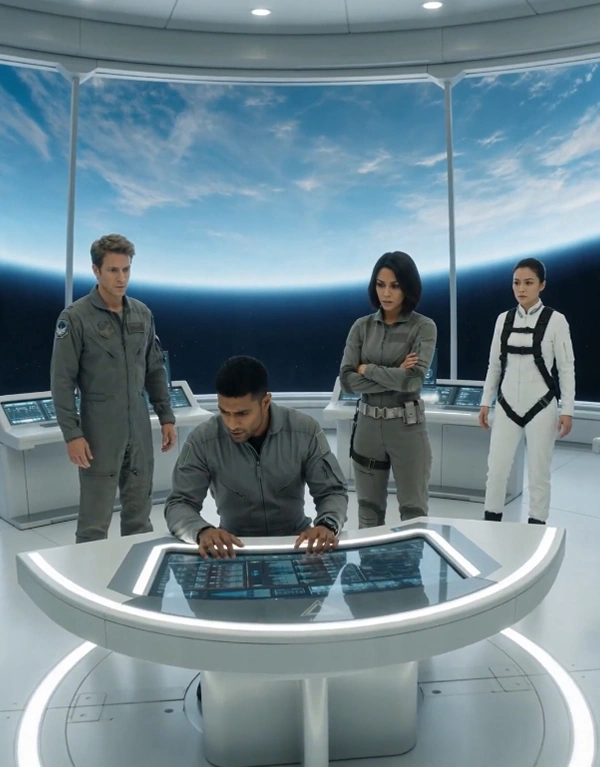
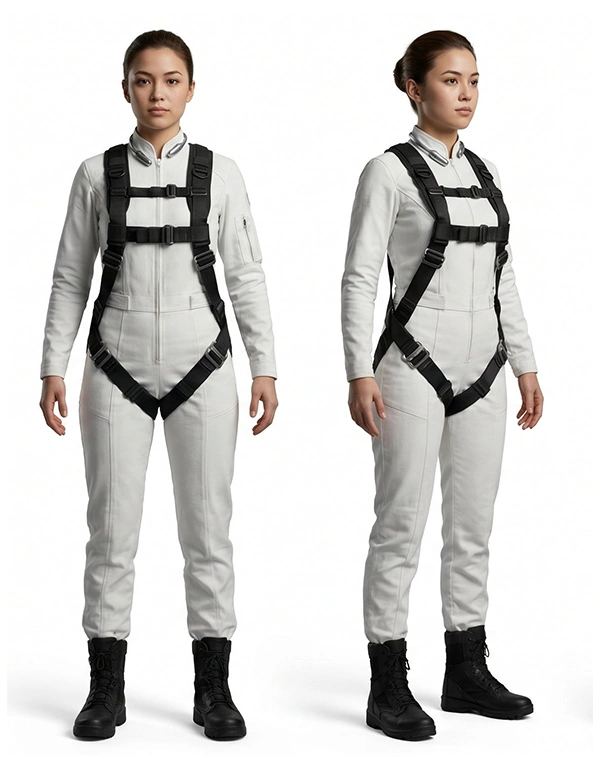
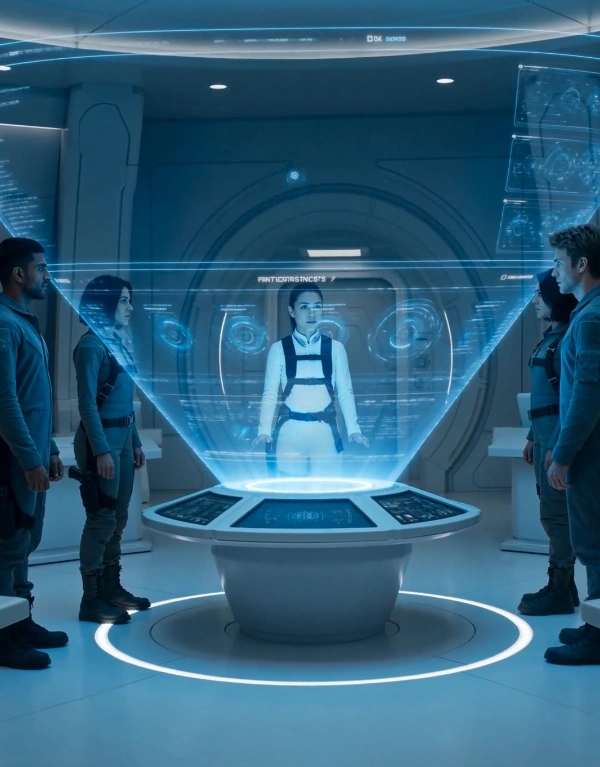
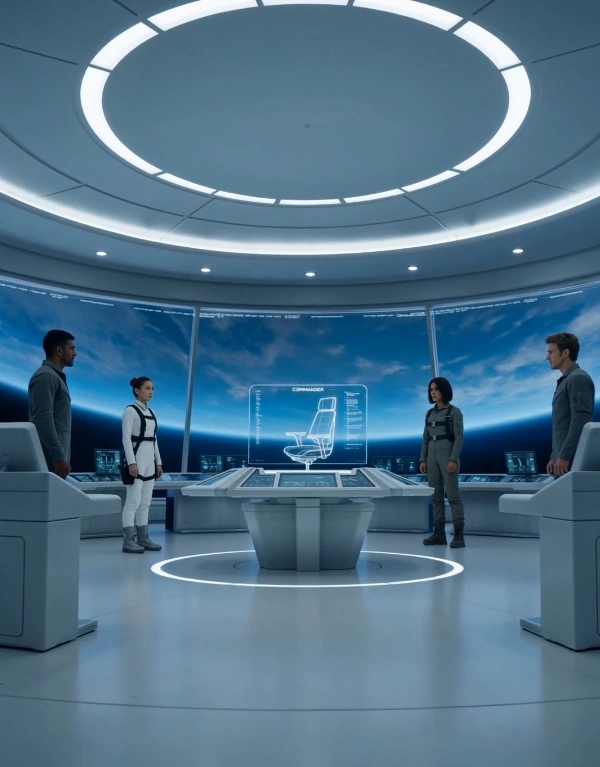
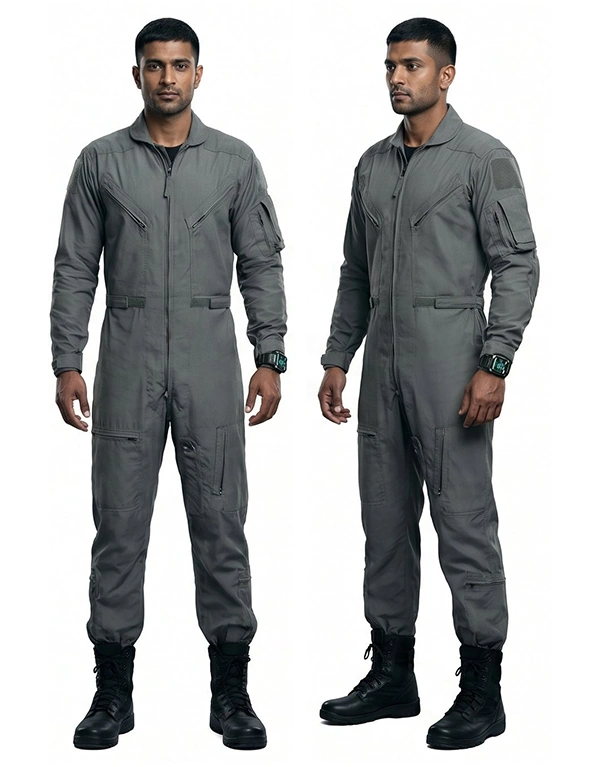
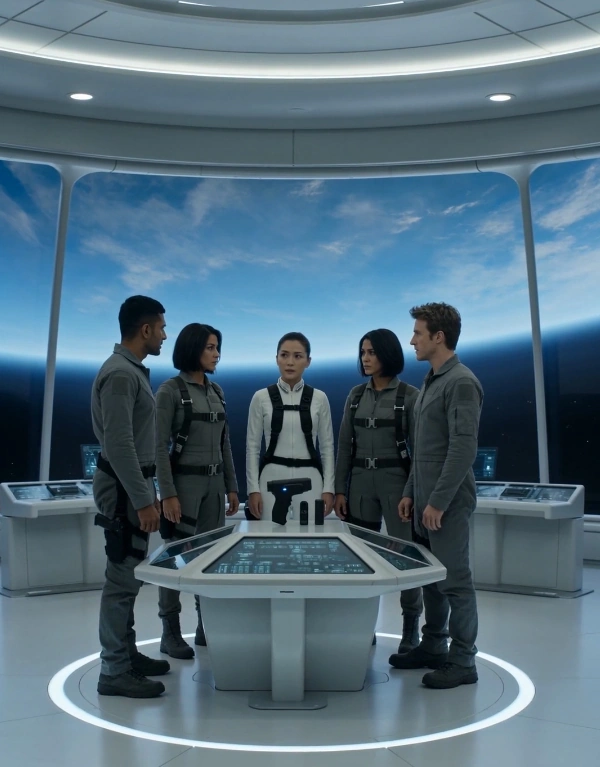
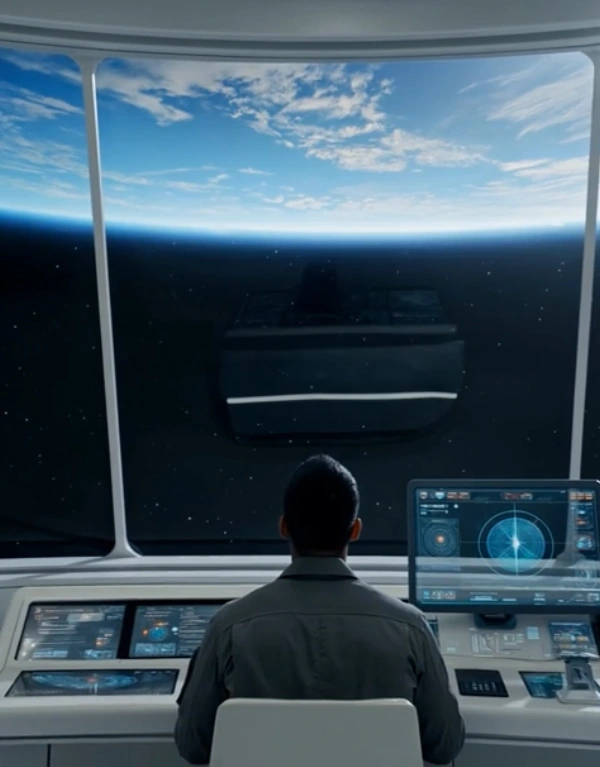
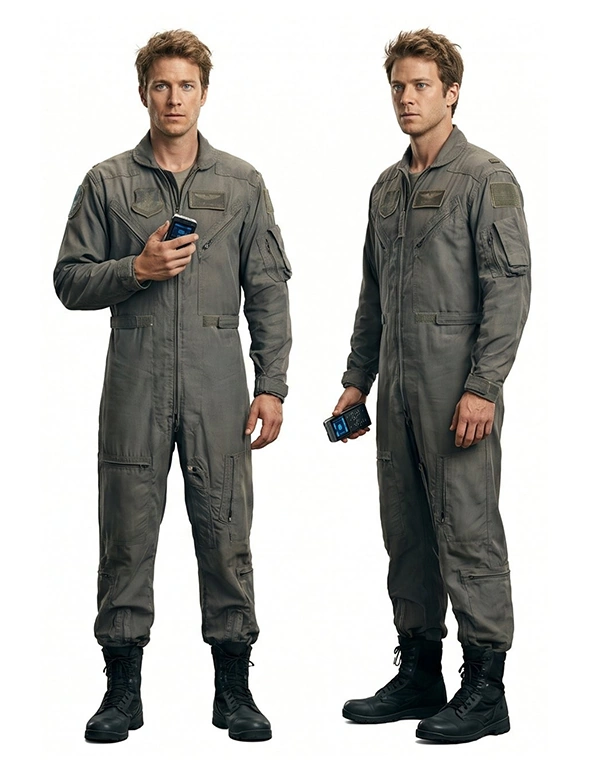
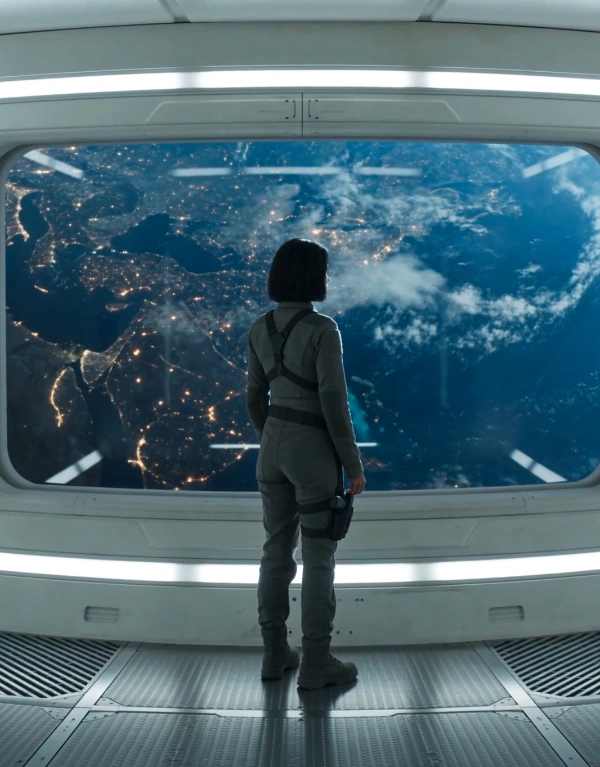
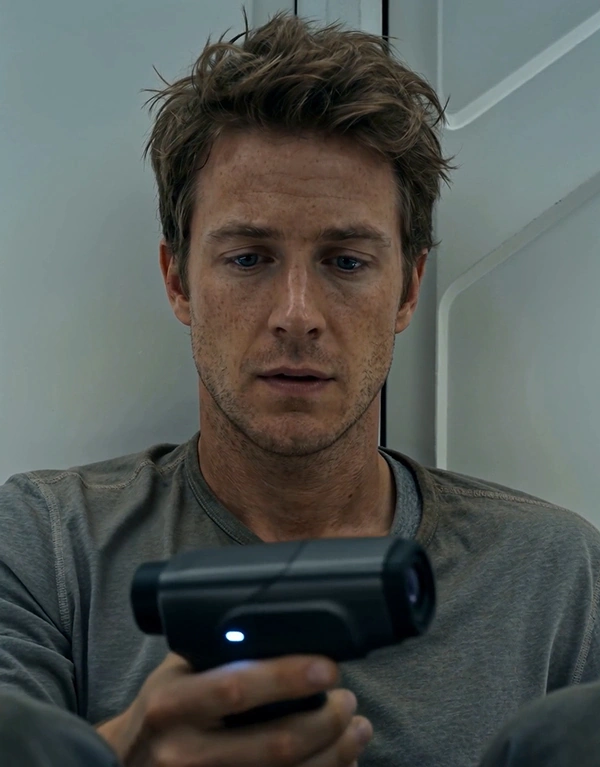
AI video breaks at continuity. A face drifts, a room rearranges itself, and the audience stops believing. We locked identity before generating a single shot, then let the Creative Engine hold it across every episode, every world and every cut.AI video breaks at continuity. A face drifts, a room rearranges itself, and the audience stops believing. We locked identity before generating a single shot, then let the Creative Engine hold it across every episode, every world and every cut.
Every lead in Low Orbit was written as a full human being before a frame existed. Childhood, faith, money, fitness, politics, and the exact moral architecture that governs the choice they make on the station. Those breakdowns feed the uare.ai character system directly, so a character can hold a scene and hold a conversation.
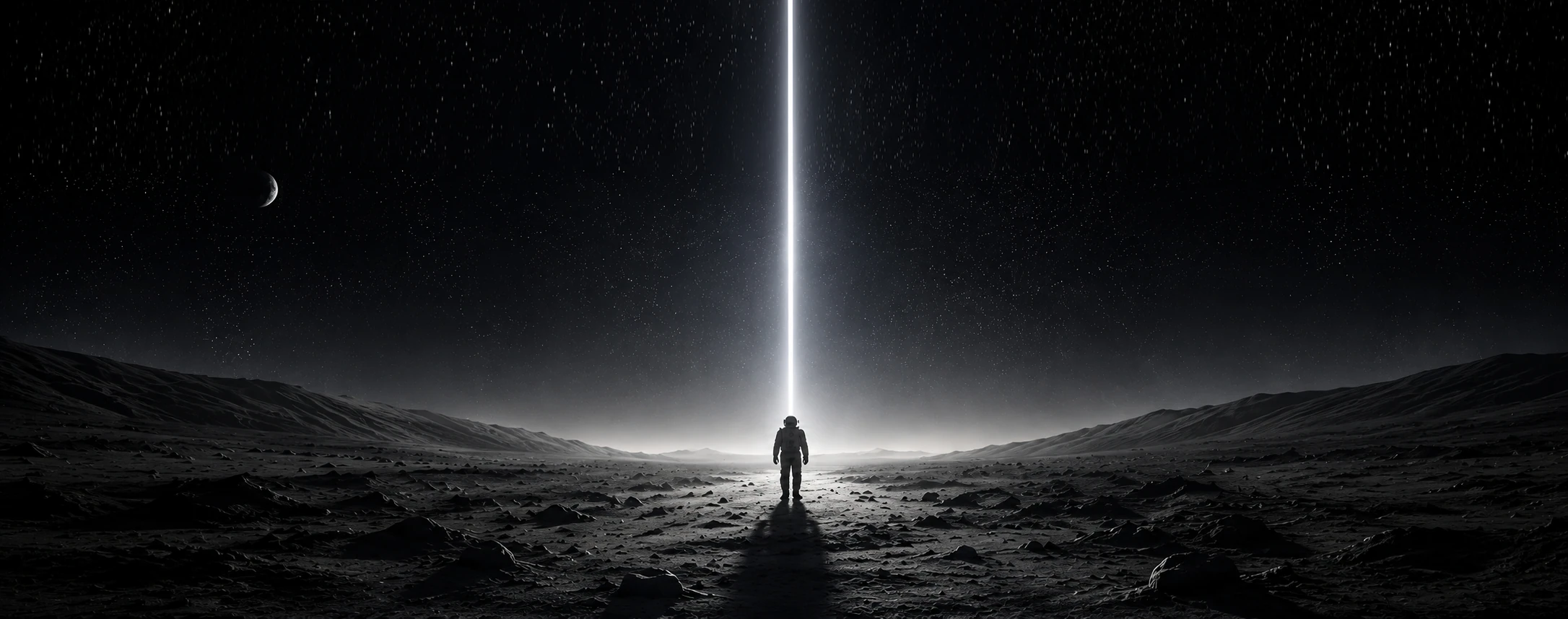
Low Orbit is cold, quiet and orbital. Masters of Doom is hot, loud and Louisiana in 1989. The same Creative Engine ran both, locked to separate look books and character references. That is why a scrolling Apple II and a dying space station come from one pipeline and read like two different studios.
Ten episodes. Five acts. One marriage. One refusal.
Speaks in the viewer's own voice
Rendered as a cinematic character
Answers from what the viewer knows
Every lead in Low Orbit was written as a full human being before a frame existed. Childhood, faith, money, fitness, politics, and the exact moral architecture that governs the choice they make on the station. Those breakdowns feed the uare.ai character system directly, so a character can hold a scene and hold a conversation.
Ritual Ads
415 N Camden Dr Ste 111 #811 Beverly Hills, CA 90210
Copyright © 2026 Ritual Ads | All Rights Reserved.

Premium advertising studio crafting
exceptional brand experiences that drive
measurable results and lasting impact.